




Raclette de Savoie: The Ultimate Comfort Food
When the weather turns cooler, it naturally inspires a craving for warmth and communal meals. Few dishes satisfy this desire quite like a wheel of Raclette cheese slowly heated until it bubbles and glows. Originating in the heart of the Alps, this tradition has evolved from a simple meal for mountain shepherds into a global symbol of hospitality.
Understanding the nuances of this Alpine staple allows food enthusiasts to recreate an authentic French experience, no matter where they are.
The Alpine Origins of a Social Tradition
The history of this dish traces back to the alpine regions of Switzerland (specifically the canton of Valais) and neighboring areas in France. Herdsmen would place a half-wheel of cheese near a crackling campfire during their evening rest. Once the surface began to soften and liquefy, they would scrape the melted cheese onto slices of bread or boiled potatoes. The name itself stems from the French verb racler, which means "to scrape." This functional method of eating eventually transformed into a structured style of Raclette dining that defines social gatherings across France and Switzerland today.
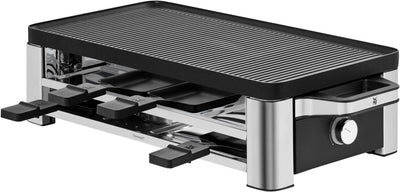
Unlike many meals eaten alone, this tradition encourages guests to gather around a central heat source, enjoying the anticipation as the cheese bubbles and melts. This slow pace of dining encourages conversation and makes it a cornerstone of French winter food culture. Today, modern electric grills have replaced the open fire, yet the spirit of the shared mountain meal remains unchanged.
Nutritional Benefits of Mountain Dairy
While viewed as a pure indulgence, mountain cheeses provide significant nutritional benefits that were essential for the physical demands of Alpine life. This variety is energy-dense, offering the necessary fuel to combat dropping temperatures during the colder months.
-
High Protein Content: It serves as an excellent source of high-quality dairy protein, which is vital for muscle repair and satiety.
-
Calcium Density: Like most aged cheeses, it’s packed with calcium to support bone health and dental strength.
-
Essential Vitamins: It contains Vitamin A and B12, which support immune function and metabolic health.
-
Natural Probiotics: When produced with traditional methods, it contributes to a healthy gut microbiome.
Classic Culinary Uses & Creative Pairings
The most iconic way to enjoy this delicacy is through the traditional "Raclette party." This involves a spread of boiled firm potatoes, pickled onions, and cornichons to cut through the richness of the dairy. Of course, the versatility of the cheese extends far beyond the scraper.
-
Traditional Charcuterie: The savoury profile pairs perfectly with premium cold cuts such as jambon cru, bresaola, or rosette de Lyon.
-
Gourmet Burgers: Swap out standard cheddar for a slice of melted Savoie cheese to add an earthy, nutty depth to your backyard grill.
-
Winter Gratins: Use it as a topping for potato or cauliflower gratins to achieve a superior golden crust.
-
Alpine Sandwiches: It makes for an exceptional grilled cheese sandwich when paired with a touch of Dijon mustard.
For those looking for more inspiration on how to incorporate these flavours into their daily cooking, exploring our recipes can provide fresh ideas for any season.
Expert Storage & Handling Tips
To maintain the quality of your cheese, you must handle it with care from the moment it enters your kitchen. Because it’s a living product, it needs to breathe to prevent the development of unwanted flavours.
-
Wax Paper is Best: Always wrap your cheese in wax paper or parchment rather than plastic wrap. This prevents moisture buildup while stopping the cheese from drying out.
-
The Vegetable Drawer: Store it in the coolest, most humid part of your refrigerator to mimic the conditions of a cheese cellar.
-
Freezing Options: If you have leftover slices, you can freeze them for weeks or months. While fresh is always best for texture, frozen slices work perfectly for cooking into sauces or gratins later.
-
Serving Temperature: If you’re eating it cold, let it sit at room temperature for thirty minutes to allow the bouquet of flavours to fully open up.
Buying Guide: Selecting the Best Varieties
When you browse a premium raclette cheese collection, you'll find several options that cater to different palates. The choice between pasteurized and raw milk (lait cru) is the first decision to make. Raw milk varieties typically offer a more complex, farm-like aroma and a creamier melt.
You might also consider flavoured varieties to add variety to your table. Pepper-crusted options provide a subtle heat that cuts through the fat, while truffle-infused selections offer a luxurious, aromatic experience. Garlic and smoked versions are also popular for adding a rustic dimension to the meal. Look for the IGP (Indication Géographique Protégée) label to ensure your cheese comes from the Savoie region, guaranteeing that it was produced according to time-honored standards.
Bringing this Alpine tradition into your home is an effortless way to elevate a standard dinner into an unforgettable event. The combination of high-quality ingredients and the interactive nature of the meal ensures that every guest leaves satisfied.Bring Raclette de Savoie from Maison Morand Paris to your next dinner party and discover the authentic flavours of the French mountains.