





The King of French Cheeses: A Guide to the Illustrious Brie de Meaux
Visiting a traditional Parisian cheese shop is an experience that awakens the senses, and one aroma often stands out. It’s the earthy, mushroom-like scent of a perfectly ripe wheel of Brie de Meaux.
Known globally as the "King of Cheeses," this dairy icon carries a legacy that stretches back centuries, embodying the pinnacle of French culinary craftsmanship. For those who appreciate the finer things in life, understanding the heritage and profile of this soft-ripened delicacy is helpful to mastering the art of the cheeseboard.
The Royal Heritage of a French Icon
The title of "King" is not a marketing term, but a formal declaration made during the Congress of Vienna in 1815. Amidst the political restructuring of Europe, a diplomat suggested a cheese competition to lighten the diplomatic tension. This soft French cheese triumphed over more than fifty other varieties, earning its crown as the premier cheese of the continent. Unlike its many industrial imitators, the authentic version originates from the town of Meaux in the Île-de-France region, where artisans have perfected its production since the Middle Ages.
Maintaining the Appellation d’Origine Protégée (AOP) status guarantees that every wheel follows strict traditional methods. This regulation protects the integrity of the product, ensuring that when you seek to buy Brie in Dubai or elsewhere, you’re receiving a cheese made with the same dedication as the batches served to French royalty.
Nutritional Benefits of Brie de Meaux
Beyond its decadent flavour, this raw milk cheese offers a complex nutritional profile that should not be overlooked. Because it is produced using unpasteurised milk, it retains a diverse range of natural enzymes and probiotics that are beneficial for gut health. This includes:
-
Vitamin B12: Essential for nerve function and maintaining high energy levels throughout the day.
-
Calcium: Provides the necessary minerals to support long-term bone density and strength.
-
Probiotics: Derived from the raw milk fermentation, these aid in maintaining a healthy digestive system.
-
Protein: Offers a satisfying and dense source of amino acids for muscle maintenance.
Savoring the King of Cheeses: Serving & Pairing Ideas
The versatility of this cheese allows it to shine in various gastronomic settings. In its most traditional form, it’s served as a table cheese alongside a crusty, warm baguette. The contrast between the crisp crust of the bread and the velvety interior of the cheese creates a deliciously harmonious texture. If you prefer a contemporary approach, be sure to explore various accompaniments to bring out new dimensions of flavour.
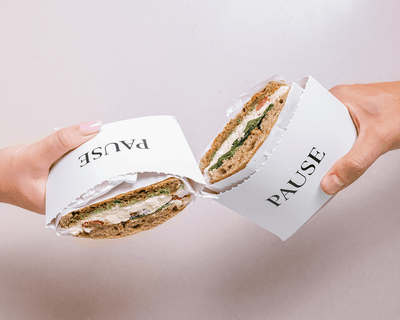
In the kitchen, the cheese performs beautifully when heat is applied. It can be encased in delicate puff pastry and baked until the center is molten and rich. It also elevates a simple gourmet sandwich, especially when paired with thinly sliced green apples or honey to balance the savoury notes. For a truly indulgent experience, some variations incorporate luxury ingredients. One example is the Brie de Meaux aux truffes du Périgord, where black truffles are folded into the cheese to enhance its earthy, mushroom-like flavour.
Expert Storage Tips for Perfect Texture
To enjoy the cheese at its peak, proper storage and handling are paramount. The delicate bloomy rind is alive. It requires a specific environment to remain in optimal condition.
-
Wrap in wax paper: This allows the cheese to breathe while preventing it from drying out in the refrigerator.
-
The vegetable drawer: This location maintains the consistent humidity level required to preserve the rind.
-
Temper the cheese: Remove the portion from the refrigerator at least one hour before serving.
-
Avoid plastic wrap: Tight plastic can suffocate the live cultures and lead to an unpleasant ammonia scent.
Temperature management is the most critical factor. Allowing the fats to soften ensures you achieve that signature runny texture that signifies a perfectly matured wheel.
A Buying Guide for the Discerning Palate
The dairy aisle offers a wide variety of soft cheeses, making it important to know what to look for. When searching for the authentic experience, always look for the AOP seal on the packaging. This label guarantees the cheese was produced in the designated region of France using traditional raw milk techniques.
The appearance of the cheese provides several clues regarding its quality. The rind should be thin and white, occasionally showing small reddish or brown spots, which indicate proper aging. When you apply gentle pressure to the side of the wheel, it should give slightly without being completely liquid. A firm core indicates the cheese is still young and mild, while a uniform softness throughout suggests a mature, robust flavour profile.
Experiencing the King of Cheeses is a rite of passage for any food enthusiast. By choosing a high-quality, authentic wheel, you bring a piece of French history to your table.
Discover the authentic Brie de Meaux AOP from Maison Morand Paris, and savor the rich, nuanced flavours that have enchanted monarchs and gourmets for centuries.