




Raclette: The Melty Cheese Made for Sharing
There are few cheeses that inspire an entire dining tradition. Raclette is one of them — a semi-hard, washed-rind cheese with roots in the Alpine regions of France and Switzerland. It’s not just known for its rich, nutty flavor, but for how it transforms into something spectacular when heat is applied. The name Raclette comes from the French word racler, meaning “to scrape,” referring to the act of melting the cheese and scraping it over a plate of food.
With its smooth melt and deeply satisfying character, Raclette cheese has earned its place as a centrepiece of winter meals, social dinners, and indulgent gatherings. In this guide, we explore the story behind Raclette, how to prepare and serve it, and why this cheese continues to bring people together — one melted bite at a time.
What Is Raclette Cheese?
Raclette is a semi-hard, cow’s milk cheese with a firm, creamy texture and a washed rind that gives it a distinctive aroma. Traditionally, it’s made in the Alpine regions of Switzerland and France, where the cool climate and natural caves provide ideal conditions for aging.
What sets Raclette apart is its ability to melt into a luscious, smooth layer of cheese that’s easily poured over a variety of accompaniments. Unlike other melting cheeses that can become stringy or oily, Raclette remains consistent and velvety — ideal for its unique culinary ritual.
The History of Raclette
Raclette’s origins date back to medieval Alpine shepherds, who would place half a wheel of cheese next to an open fire and scrape the melted surface onto bread or potatoes. It was a practical, hearty way to make use of local cheese in the cold mountain months.
As this simple preparation gained popularity, Raclette evolved from a regional practice to a widely recognized delicacy in France and Switzerland — especially in winter and festive settings. Today, Raclette is enjoyed around the world, but it still retains its rustic charm and community-focused spirit.
Traditional Roots, Modern Appeal
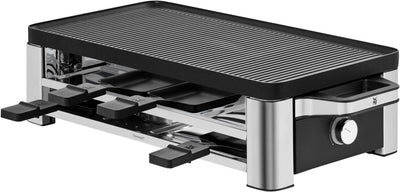
Despite its historical roots, Raclette has found a place in contemporary kitchens thanks to modern electric Raclette grills. These compact tabletop appliances allow diners to melt their individual slices of cheese in small pans while grilling vegetables or meats on the top plate.
What was once a fireside tradition is now a popular indoor dining event, especially during holidays and cold-weather months. Its social format — everyone preparing their own servings — makes Raclette more than just a meal. It’s a shared experience.
French Raclette vs. Swiss Raclette
Both French and Swiss Raclettes share a similar base — cow’s milk cheese aged for several weeks — but they offer different characteristics:
-
Swiss Raclette (especially from Valais) is often protected under AOP designation and tends to have a slightly firmer texture with a more pronounced, nutty flavor.
-
French Raclette, particularly from Savoie, is creamier and milder, with some variations incorporating pepper, herbs, or smoked rind.
Both melt beautifully, but their flavor profiles and textures offer slight distinctions that may influence your preference.
Why Raclette Melts So Perfectly
The appeal of Raclette lies in its ideal melting behavior. Thanks to its fat-to-protein ratio and low acidity, Raclette doesn’t break, separate, or become stringy when heated. Instead, it melts into a creamy consistency with a golden surface.
The washed rind also plays a role: it imparts a mildly pungent, earthy aroma that becomes more subtle when the cheese is melted. Unlike soft cheeses that may become runny or hard cheeses that resist heat, Raclette hits the perfect balance.
Essential Equipment for Serving Raclette
If you’re aiming to enjoy Raclette the traditional way, you’ll need a few tools:
-
Half-wheel Raclette grill – Holds a wheel under a heating lamp for scraping.
-
Tabletop Raclette grill – The most popular modern option with mini pans (called coupelles) and a griddle surface.
-
Heat-proof spatulas – For scraping and serving without damaging cookware.
-
Cheese knives or scrapers – Especially for full-wheel service.
Modern Raclette sets are easy to find online and can turn a dinner gathering into an interactive culinary evening.
How to Serve Raclette Cheese
Serving Raclette is delightfully straightforward but benefits from a bit of planning. Here’s how to do it:
-
Portion the cheese – Around 150–200 grams per person is ideal.
-
Prepare sides in advance – Potatoes should be boiled and meats pre-sliced.
-
Set up the grill or heating unit – Make sure it's accessible to all diners.
-
Begin melting – Guests place slices of Raclette in their pans and heat until bubbly and golden.
-
Scrape and serve – The melted cheese is scraped directly over potatoes, bread, or veggies.
Allow guests to take their time — Raclette meals are meant to be enjoyed slowly, with conversation and plenty of refills.
Classic Accompaniments for Raclette
Raclette is incredibly versatile when it comes to pairings. The traditional sides include:
-
Boiled baby potatoes – The most classic and essential element.
-
Cured meats – Slices of prosciutto, salami, or jambon de Savoie.
-
Pickled vegetables – Cornichons, cocktail onions, and gherkins offer acidity to balance the richness.
-
Steamed or grilled vegetables – Broccoli, mushrooms, bell peppers, and asparagus.
-
Baguette or sourdough bread – Perfect for catching every last drop of melted cheese.
You can even add roasted apples or figs for a touch of sweetness to complement the salty, creamy cheese.
Raclette Drink Pairings
A Raclette dinner deserves equally thoughtful beverages. The key is to avoid overly tannic wines and opt for freshness and balance.
White wines:
-
Apremont (from Savoie)
-
Dry Riesling
-
Chasselas
-
Chablis
Light reds:
-
Pinot Noir
-
Gamay
Other options:
-
Dry apple cider
-
Pale ales or wheat beers
-
Herbal teas (a traditional Swiss pairing to aid digestion)
Each of these brings acidity and brightness, cutting through the richness of the cheese and enhancing the overall meal.
How Raclette Differs from Fondue
It’s easy to confuse Raclette with fondue — both involve melted cheese and Alpine roots. But they differ in both preparation and experience.
Raclette and fondue may share Alpine origins and a love for melted cheese, but their dining experiences are distinctly different. Raclette involves sliced cheese melted individually — often in small pans or under a heating lamp — and then scraped directly over food like potatoes, vegetables, or bread. This method creates a creamy, pourable texture and allows each guest to build their own plate, making it a more interactive and plated experience. In contrast, fondue features cheese melted into a communal pot, into which diners dip skewered bread or vegetables. The result is a smooth, silky consistency and a more shared, communal dining style, centered around a single pot and group participation.
In short, fondue is about dipping; Raclette is about layering and building plates.
Tips for a Successful Raclette Night
-
Keep portions small — Raclette is rich, and smaller servings help you enjoy more combinations.
-
Pre-cook potatoes — It saves time and keeps the flow going.
-
Prep ahead — Chop, slice, and arrange everything before guests arrive.
-
Encourage mixing and matching — Part of the fun is discovering new favorite combos.
-
Serve in courses — Don’t rush. Enjoy the pace of melting and serving.
For an effortless yet impressive Raclette evening, consider our La Raclette d’Hiver, a board designed for 4–5 people. You can select the original Raclette, a mix of flavors including our popular Truffle Raclette, or the indulgent truffle-only option. Served with boiled potatoes, cornichons, and pickled onions, it’s a simple way to create a warm, memorable meal that your guests will love.
Creative Uses Beyond the Grill
Leftover Raclette (if that ever happens) doesn’t need to be wasted. It shines in:
-
Grilled cheese sandwiches
-
Pasta bakes or gratins
-
Savory tarts or galettes
-
Stuffed mushrooms or peppers
-
Breakfast omelets or scrambled eggs
Its buttery flavor and meltability make it easy to incorporate into other recipes.
For a touch of indulgence, try Raclette à la Truffe, a semi-hard cheese infused with black truffles, to elevate sandwiches, gratins, or savory tarts. Its subtle mushroomy flavor adds depth while still delivering that signature creamy melt.
Alternatively, for a cozy, alpine twist, try Raclette Fumée (Smoked), with its delicate beechwood-smoked aroma that melts perfectly over potatoes, pasta, or savory tarts.
Storing Raclette Cheese Properly
To keep your Raclette fresh:
-
Wrap in wax paper or cheese paper to let it breathe.
-
Store in a dedicated cheese box or vegetable drawer of your fridge.
-
Keep away from strong odors — Raclette easily absorbs other scents.
-
Use within 10–14 days of opening for best quality.
If needed, Raclette can be frozen, though texture may change slightly. It’s best reserved for cooked dishes after freezing.
Why Raclette Is More Than Just Cheese
Raclette is an invitation. To gather. To slow down. To share stories over sizzling plates and rich aromas. Its appeal lies not only in its melting elegance but in the warmth it brings to any table. Whether you're discovering Raclette for the first time or perfecting your next party, this cheese offers more than taste — it delivers atmosphere, comfort, and connection.
For those looking to explore Raclette and other artisanal French cheeses, Maison Morand Paris curates a selection that celebrates quality, authenticity, and tradition. Discover our full range on our website, or contact us to learn how to bring the taste of the Alps directly to your table.
FAQs
1. Is Raclette only a winter cheese?
While it’s traditionally enjoyed in colder months, Raclette can be served year-round — especially with fresh vegetables and lighter pairings.
2. Can I eat the rind of Raclette cheese?
Yes, the rind is edible, though it can be strong. Many prefer to trim it off before melting.
3. What’s the difference between Raclette and melted cheese blends?
Raclette melts into a creamier, more consistent texture than most generic blends and has a nuanced flavor profile.
4. How long can Raclette be stored once opened?
Up to 10–14 days if wrapped properly and stored in the refrigerator.
5. Do I need a Raclette grill to enjoy the cheese?
Not necessarily. You can use an oven or stovetop pan, but a Raclette grill makes the experience more authentic and interactive.